Kometos thawing machines deliver full payback in under two years
In food industry equipment investments, a good benchmark is to aim for a payback period of under two years. Kometos thawing machines consistently meet this target – at best, payback is achieved in just a few months.
Summary:
- The payback period of a thawing machine depends on purchase price, capacity, process costs, labour savings, and thawing loss.
- Kometos’ air-circulation-based controlled thawing systems typically achieve a payback period of under two years. In optimal conditions, the equipment pays for itself within months.
- The most significant savings drivers are minimised energy costs, reduced thawing loss, and lower labour requirements.
Thawing process is a significant investment decision
Thawing is one of the most underestimated stages in food production. It’s easy to treat it as just a necessary step in the production chain without considering how much an inefficient thawing process costs annually.
The savings generated by Kometos’ controlled, air-circulation-based thawing process show up directly in production costs, staffing needs, and product loss. When the numbers are worked through carefully, the payback period tends to surprise in a positive way.
What factors determine thawing machine payback?
1. Process costs – energy price
Energy efficiency is a key factor in operating costs. The less energy consumed per kilogram thawed, the lower the annual costs.
This is where thawing methods differ significantly: cold-water thawing uses large volumes of water, while air-circulation thawing and cold-room thawing use no water in the process at all. All thawing technologies consume electricity, so energy costs must be factored into any calculation.
Kometos equipment is designed for energy efficiency: in controlled thawing, energy is applied precisely, and waste heat generated elsewhere in production can be recovered and reused.
Kometos systems run on electricity as standard, with customisation available for both heating and cooling. Every facility is designed together with the customer so that equipment can be tailored to their specific needs.
2. Capacity and process flexibility
The capacity of a thawing system directly determines how much product can be thawed. During the planning phase, it’s worth discussing capacity carefully with the supplier to avoid over- or under-sizing the equipment.
Beyond capacity, process flexibility matters too. Thawing methods vary in how well they scale across different product volumes.
Kometos’ controlled thawing process performs equally well regardless of batch size – the same process handles 300 kg or 24,000 kg with the same consistency.
The size of the thawing room itself sets the physical limit: a smaller room can only hold so much product, while larger spaces allow different products to be thawed simultaneously.
In that case, it’s important to account for the fact that different products may have different thawing times, and loading must be planned accordingly. Kometos specialists help identify the best thawing approach and plan optimal loading so that thawing capacity is used efficiently.
Read on: What is the best thawing technology?
3. The cost of thawing loss
Product loss is often the single largest cost that gets overlooked in investment calculations. With conventional thawing methods, loss can reach 5–6% of the thawed product’s weight. With Kometos’ controlled thawing process, loss typically drops to around 1–1.5%.
At high volumes, this difference is substantial. At an annual capacity of 2,250,000 kg, a 3.5 percentage point reduction in loss equals 78,750 kg saved per year. At €8/kg product value, that thawing loss reduction alone generates over €630,000 in annual savings.
Viivi Pulkkinen, Chief Commercial Officer at Kometos, says:
We can demonstrate a sub-two-year payback on Kometos equipment investments, driven especially by the low thawing loss achieved in the process.
“In the best cases, equipment has paid for itself in just a few months,” she adds.
4. Labour costs
One of the most significant but easily overlooked savings comes from reduced staffing needs.
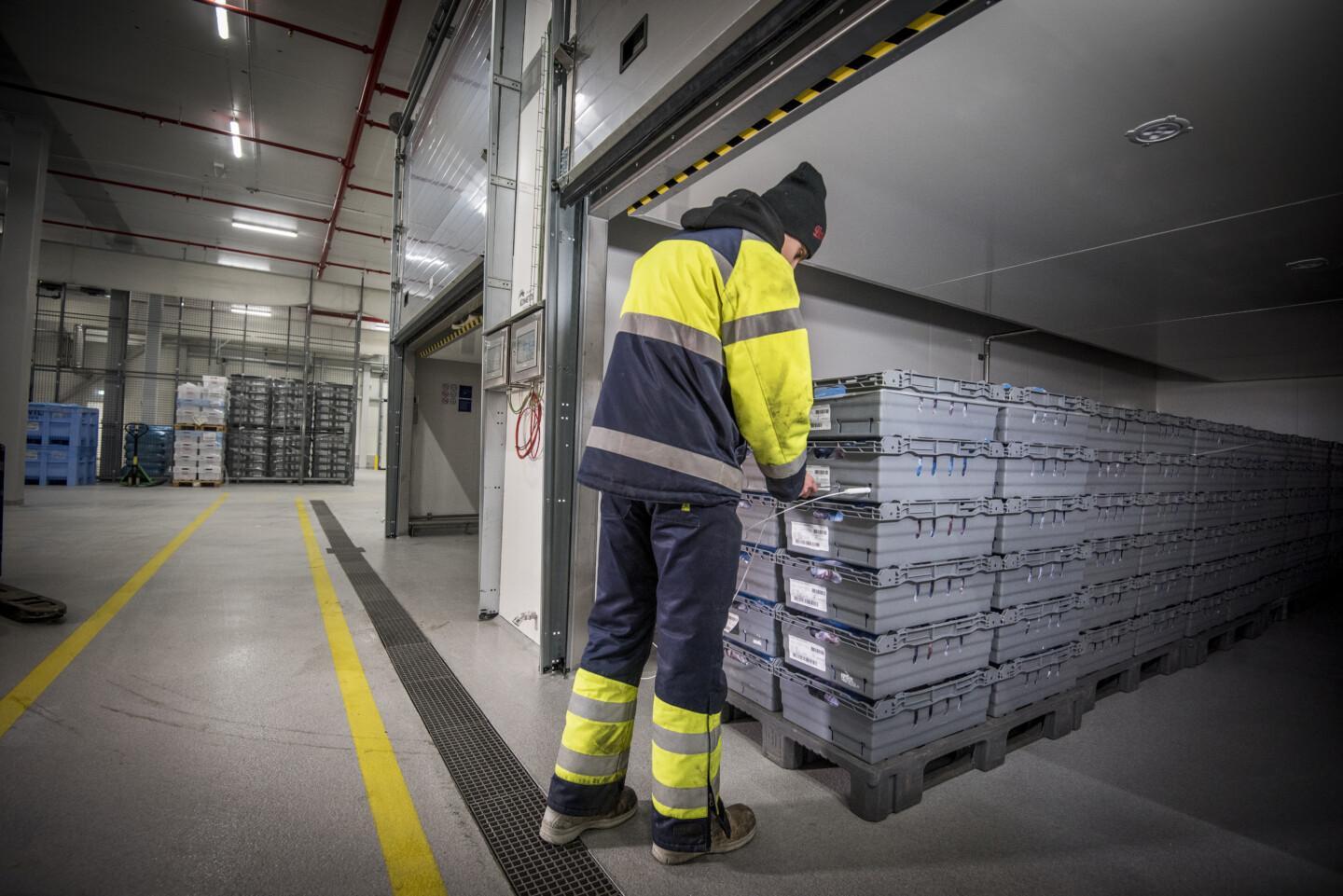
In Kometos’ thawing system, the process runs independently: staff load the product, start the program, and unload when the cycle is complete. No continuous monitoring or repeated manual handling is required.
In fact, many Kometos customers run the thawing process overnight, so the batch is ready by morning.
5. Total cost of the investment
The starting point for any payback calculation is the purchase price of the equipment itself.
But beyond the thawing machine, it’s worth accounting for the full picture: who handles installation, whether staff training is included in the delivery, and what maintenance costs look like over time.
Problems with thawing machines cause unnecessary production stoppages, which extend the payback period. Ask your supplier upfront about material durability, component quality, and other customers’ experiences. The fewer unnecessary interruptions, the faster the investment is paid off.
Kometos delivers equipment on a turnkey basis: commissioning and training are always included. Deliveries also come with a comprehensive, fast-response service agreement.
Download the thawing guide and detailed payback calculation
Want to see how the numbers work in your own production? Download our thawing guide, which walks through the operating principles of the controlled thawing process and includes a detailed calculation example.
👉 Download the thawing guide and payback calculation
Or get in touch directly – we’ll work through what the investment means for your specific production.
Frequently asked questions about thawing
How is thawing loss calculated in practice?
Loss is measured by comparing the weight of the frozen product to the weight of the thawed product. Some loss always occurs during thawing due to factors including moisture evaporation during the process. Controlled thawing minimises this difference by maintaining consistent process conditions throughout.
What does a Kometos delivery include?
Kometos delivers equipment including installation, commissioning, and staff training. Commissioning includes testing the equipment to determine optimal thawing times and temperatures for the customer’s specific products. Service and spare parts are available quickly, keeping any maintenance-related downtime short.
Is Kometos thawing equipment suitable for facilities and thawing capacities of different sizes?
Yes. Equipment scales from small batch sizes to large production volumes. A thawing batch can range from a few hundred kilograms to tens of thousands, making the solution suitable for both smaller and larger food companies.
How much staff does the thawing process require?
Kometos’ controlled thawing system requires staff only for loading, starting the program, and unloading. The process runs independently and requires no continuous monitoring or manual intervention unlike many conventional thawing methods.